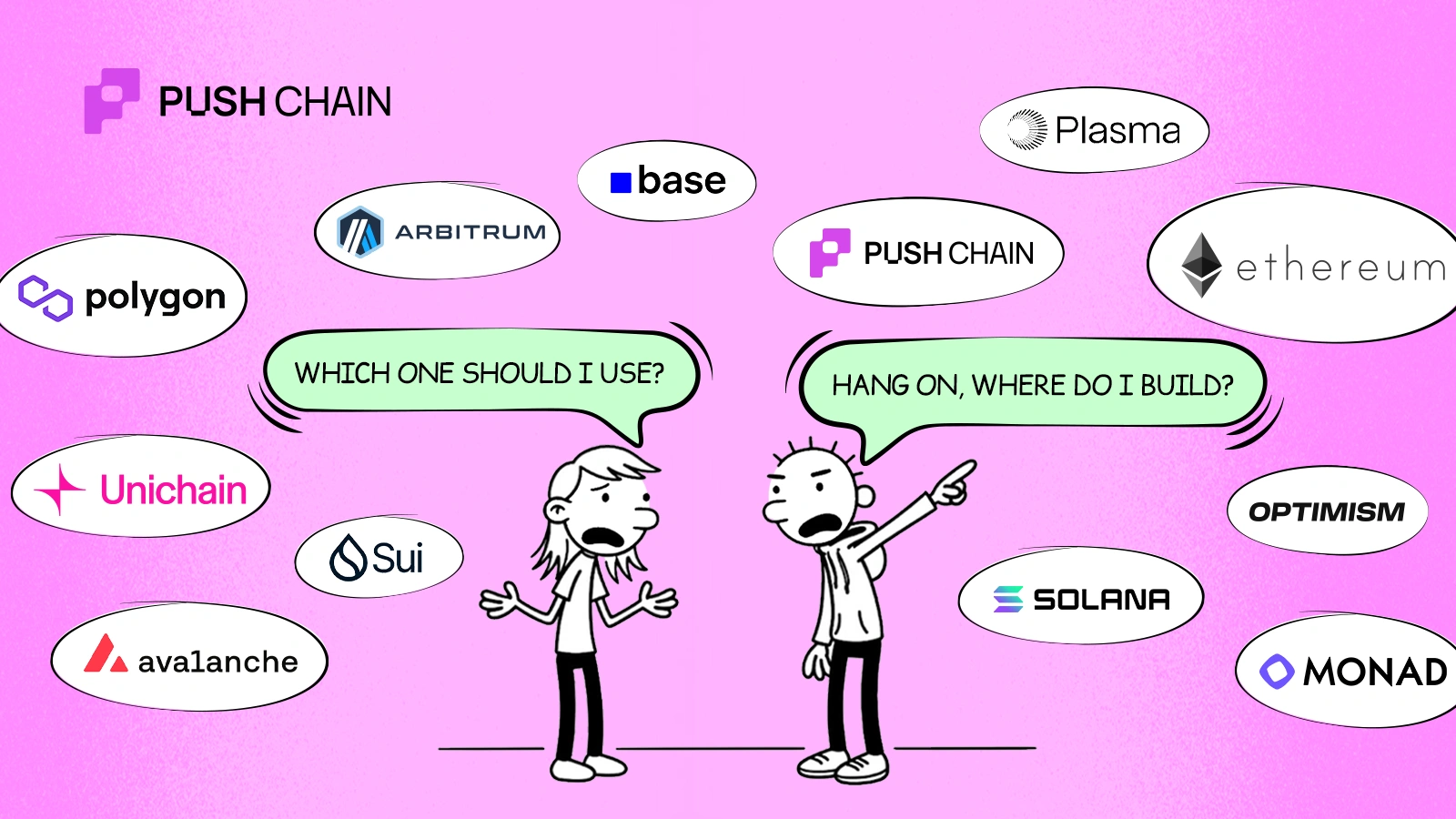
You can hold the same asset across multiple chains and still get different prices, different slippage, and different borrowing costs.Ever thought what the reason is?
Universal apps look “easy” on the surface: connect any wallet, pay with any token, one click and done. Behind that, something very unsexy makes all of this work: validators.
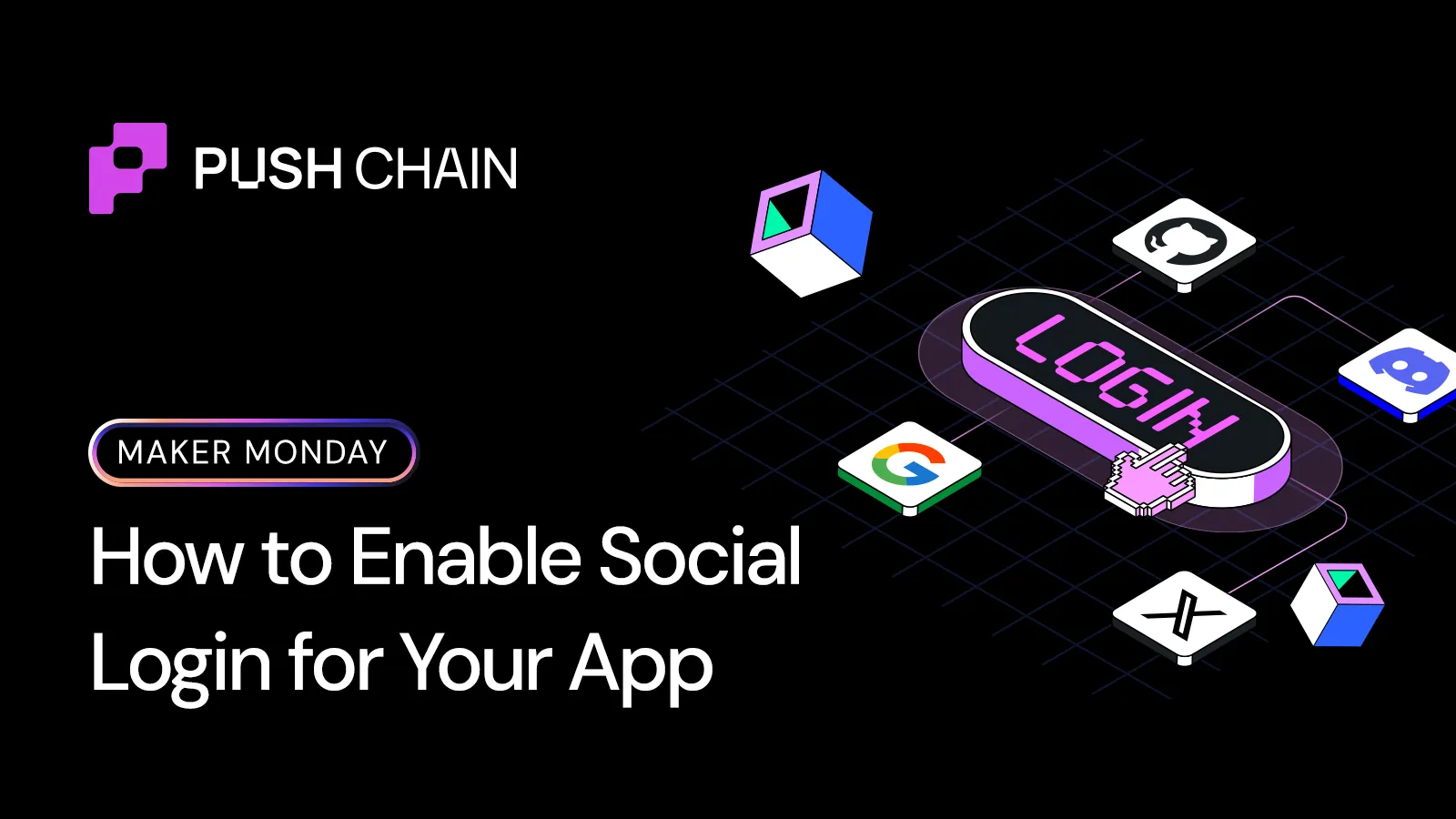
Push Chain has integrated human.tech’s Wallet as a Protocol (WaaP) infrastructure to enable social login based, self-custodial wallet access directly within the Push Chain ecosystem
A regular cross-chain agent that rebalances, lends, and hedges must manage state from multiple chains, route through async bridges, handle multiple gas tokens, and survive partial failures. Push Chain's shared state + Universal Transactions collapse all of that into one outcome-driven call.
Most 'multichain' swaps hide a multi-step flow: bridge → wait → swap → maybe bridge again → then LP. On Push Chain, a Universal DEX collapses that into a single multicall against shared state. One call, one intent, no manual bridging.
Universal AMMs on Push Chain collapse multi-step cross-chain DeFi flows — swap, bridge, LP, and stake — into a single wallet signature via Universal Transactions and multicall.
Users don't quit bad apps. They quit because wallet switches, mismatched balances, and endless approvals get in the way. Shared-State removes those blockers. Here are 5 concrete ways it makes your app feel seamless — and grow.
Click 'Stake 500 USDC' and it just works. No gas token hunting, no chain switching, no wallet juggling. Learn how Universal Fee Abstraction delivers the seamless UX users actually expect.